
No products in the cart.: £0.00

Winter Wellness: Vitamin D for Healthy Skin, Mind & Body
Before You Go Further: Please note that this is NOT medical advice. Please seek professional medical advice and take this information as entertainment.
As the days grow shorter and sunlight becomes scarce, one essential nutrient quietly slips away from many of our daily routines — vitamin D. Known as the sunshine vitamin, it’s vital not only for bone health but also for glowing skin, balanced mood, and overall wellness.
During the cooler months, when natural sunlight is limited, understanding how vitamin D affects your body — and how to support it naturally — can help you stay healthy, energised, and radiant all winter long.
What Is Vitamin D and Why Does It Matter
Vitamin D is a fat-soluble vitamin that functions more like a hormone. It helps your body absorb calcium and phosphorus, both essential for strong bones, muscles, and immune health. But its influence goes far beyond that — vitamin D receptors are found in almost every cell in the body, including your brain and skin.
When your levels drop, you might experience symptoms like fatigue, low mood, dull skin, muscle weakness, or increased susceptibility to colds.
How Vitamin D Supports Your Skin
Healthy skin begins at a cellular level. Vitamin D helps regulate cell turnover and repair, keeping skin soft, smooth, and resilient. It also supports the skin’s natural barrier, helping it retain moisture and defend against environmental stressors (extreme cold, dryness & internal heating systems) — something especially important during cold, dry months.
Low vitamin D levels have been linked to common skin concerns such as:
- Dryness and flakiness
- Acne and inflammation
- Eczema and psoriasis flare-ups
By supporting healthy cell renewal and reducing inflammation, vitamin D helps skin appear brighter, clearer, and more balanced.
Winter Wellness & Good Mental Health
Most of us feel a dip in mood and energy during the winter months. Winter is the season of rest BUT in our modern world, we need to keep going even in winter. Vitamin D may be the ticket to better health over the colder months. Research suggests that low vitamin D levels can contribute to Seasonal Affective Disorder (SAD) — the “winter blues” many people experience as daylight decreases. Vitamin D deficiency is more prevalent in people with high melanin levels who live in the northern hemisphere during winter for the reasons mentioned above.
Vitamin D helps regulate serotonin and dopamine, neurotransmitters that influence mood, focus, and overall emotional balance. Keeping your levels steady through diet, supplements, and lifestyle choices can make a noticeable difference in mental clarity and calmness.
Where to Find Vitamin D Naturally
Sunlight is the most efficient way for your body to produce vitamin D. Spending 10–30 minutes outside a few times a week with some skin exposed (face, arms, or legs) is usually enough during spring and summer. But in autumn and winter, especially in northern regions, sunlight is often too weak to maintain adequate levels.
That’s why adding vitamin D-rich foods to your diet becomes essential. Natural sources include:
- Fatty fish (salmon, sardines, mackerel, tuna)
- Egg yolks
- Mushrooms exposed to sunlight (portobello or maitake)
- Fortified foods like plant-based milks, cereals, and orange juice
For vegans or those with limited sunlight exposure, fortified plant milks and mushrooms are excellent options.
When to Consider Supplementing
For many people, food and limited sun exposure aren’t enough — especially from October to March in cooler climates.
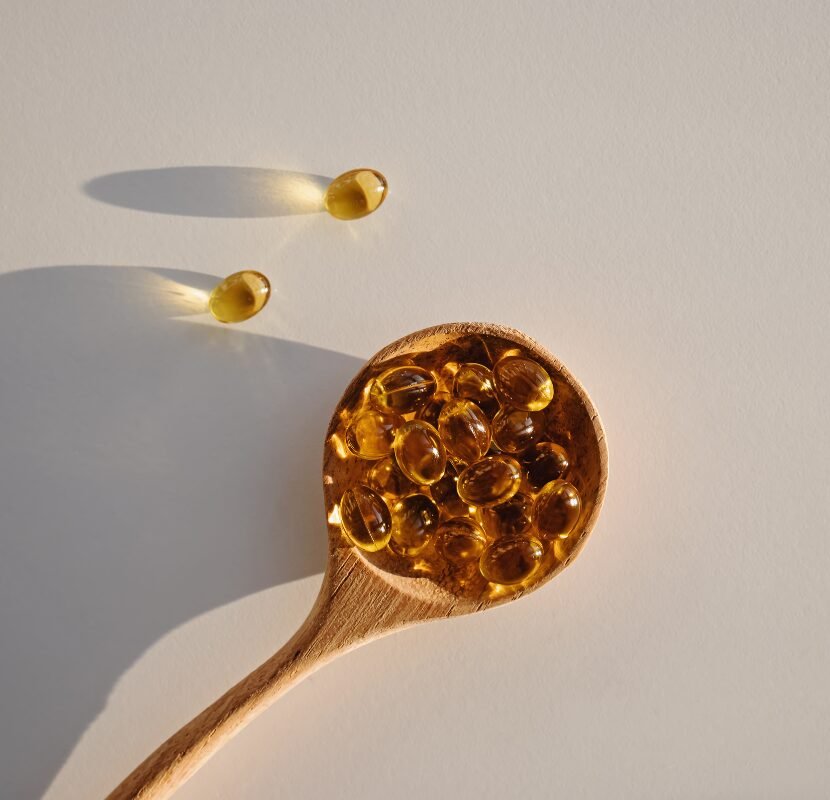
A high-quality vitamin D3 supplement (the same form your body makes from sunlight) can help maintain healthy levels.
Most adults benefit from 10–25 micrograms (400–1000 IU) daily, but those with a deficiency may need more — it’s always best to check your levels with a simple blood test before increasing your dose.
Tip: Choose supplements paired with a healthy fat source, or take them with a meal, as vitamin D is fat-soluble and best absorbed with dietary fats (avocado, olive oil, steak).
Whole-Body Wellness
Beyond skin and mood, vitamin D plays a crucial role in:
- Immune defence: Helps your body fight viruses and infections more effectively.
- Muscle recovery: Aids muscle strength and reduces fatigue — ideal if you’re exercising indoors more often.
- Hormonal balance: Supports healthy menstrual cycles and energy regulation.
By maintaining optimal vitamin D levels, you support not just your outer glow, but also your inner vitality.
How to add Vitamin D to your daily wellness ritual
As the light fades and we spend more time indoors, make vitamin D part of your self-care ritual.
- Go for short walks to expose yourself to winter sun (however limited)
- Enjoy nourishing foods that are rich in Vitamin D.
- Get a blood test to confirm Vitamin D levels (discuss supplements with your healthcare professional).
True wellness — and glowing skin — starts from within. Stay nourished, stay balanced, and be good to yourself this winter season and beyond.
Be good to yourself – 🌞
Mazel
